
28. Dr. Marisa G. Franco, Friendship Expert on the Power of Platonic Love
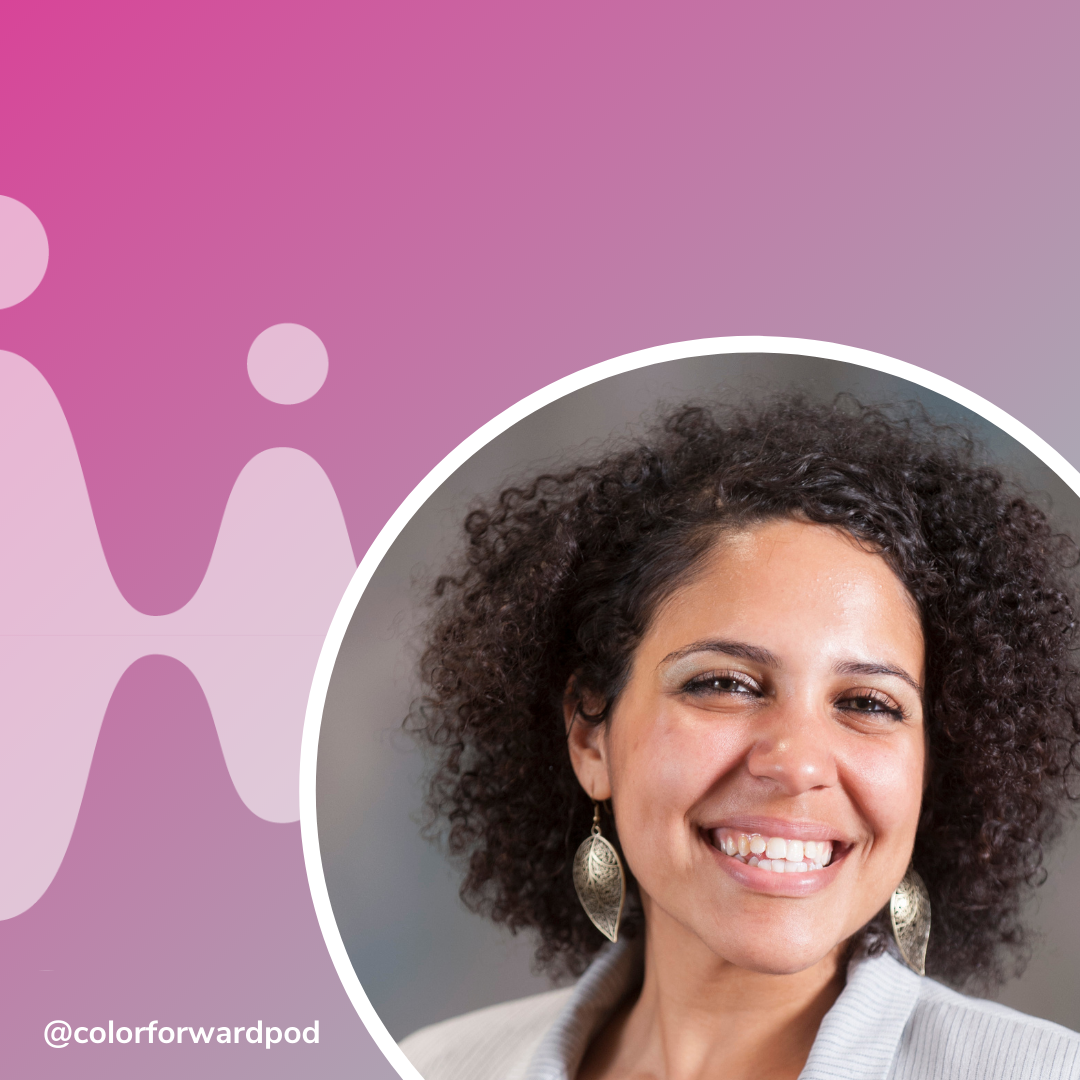
Did you know there’s actual research which indicates that most people like you more than you think they do? Well, Dr. Marisa G. Franco knows it, which is why she’s writing a book all about how to make friends as an adult. Listen as Alisa and Merary discuss what real friendship looks like in their professional and personal lives.
Episode Transcript
[short theme intro music]
Alisa: Merary, we are talking about one of my favorite subjects today, and that is friendship. When was the last time you made a friend?
Merary: You know what? That’s an easy one, because it was actually the week of September 1st. It was right before my activate conference where I got introduced to Brenda, by somebody else because I needed help with something. And Brenda and I talked in the daytime and at night, literally 1, 2 in the morning because I was working on the conference and she just poured her heart into it and just helped me. And it’s amazing. Now we’re even like prayer buddies. It just happened like that.
Alisa: Wait, you hadn’t met before?
Merary: Never, ever.
Alisa: You met for the first time and then you’re like talking all the time?
Merary: And we met on the phone, like via text, like, Hey, I want to introduce you to Merary, and then I’m like, okay, I need help with this. And it was really, I would say out of desperation, that I agreed to it, because I don’t know if I would have agreed to meet anybody new.
I actually needed the help. I was desperate for the help. They introduced us. She was willing to do it. And then we got on the phone, we got on zoom and honestly for like six days straight, we talked throughout the day, in the middle of the night she would text me, Hey, I found this out for you, or I can help you with this.
It’s crazy how you can connect with someone that you didn’t even know. So fast. But you know what? I think, because I was so open to it.
Alisa: You made this friend out of desperate. I mean, and because you needed someone. So like, you kind of had a purpose. It wasn’t like, Oh, I just want to meet someone and make a friend. You’re like, no, I need someone in my life, today.
Merary: Yes. And it just turned out that yes, she helped me, but the relationship got so much deeper. It’s incredible. I’m really fortunate and so grateful to have her as my friend beyond what she was able to help me with.
[cue music]
Alisa: Well, we’re going to talk a lot about making friends as adults today, because it is such a huge aspect of our everyday lives.
Dr. Marisa Franco: Hi everyone. My name is Dr. Marisa G. Franco. I am a psychologist and a friendship expert. And I’m currently writing a book on how to make friends as an adult called Platonic.
Alisa: She’s done just a ton of research on how to best make friends, how to keep them, what stops us from making friends, how to move forward.
Dr. Marisa Franco: I write for psychology today. I do some speaking on how to build relationships in the workplace. I’m trained to do research, but I’m also trained to practices as a psychologist.
Alisa: I think it’s really important to find people who like to do the things that you like to do. And that’s sometimes easier said than done.
Merary: Absolutely. I think it’s also important to find people that are rooting for you, right? I take friendship very seriously. While I have a lot of associates, I feel that I have a handful of friends that I can trust with my life.
[music stops]
Alisa: Dr. Marissa taught us about the liking gap where people think that friendships are formed naturally, organically, no effort has been involved.
Dr. Marisa Franco: Researchers ask people to interact with a stranger, and then after they interacted, they ask, you know, the two people, how much did you like the person that you interacted with?
One of the biggest barriers is people think that it should happen organically. It should be natural. I shouldn’t have to really try. And I think that can also be a problem that people have with networking. They’re not putting themselves out there as much.
Alisa: We tend to underestimate our first impressions and we tend to overthink why people would want to reach out to us in the first place.
So when that happens, then we don’t want to make friends because we’re afraid that they’re not going to like us. And all this doubt comes crawling in.
Merary: I don’t know that I’ve ever approached it as, I’m going to make a new friend. Even the new friend that I have, it started out as a business relationship. I didn’t know that it would turn into a friendship. Most of my friendships are from early childhood.
I don’t know that I have any new, new friends outside of my childhood friends. When I had my conference, I had two of them who flew in to come and help me out. No questions asked, nothing. I did not have to ask for any help or support. They were just there. Those are all friends that I had for a long time. Now I have really amazing relationships that just turned into friendships.
I wouldn’t have planned it. Like I know that I never said, They’re going to be my friend. It just naturally turned into a friendship.
Alisa: That’s amazing because a lot of people assume that things are going to happen naturally, but they don’t always. And one of the pieces of advice that Dr. Marisa gives us is that we do need to put some effort in, but what stops us from putting effort in is that we don’t think people want to talk to us.
Dr. Marisa Franco: I would say people like you more than you know, and that you will probably be very pleasantly surprised when you make the effort to connect with people that they’re are a lot more open to you than you might think they are. And to get in touch with what you do have to offer people, even if you might feel like I’m shy, awkward, or I’m introverted. Like all of us have things within us that makes us, you know, great socially, a good person to have in other people’s lives, being friends. All of us have those strengths. For me it’s like, Oh, I think I can be pretty insightful. And that’s something that I might tell myself when I’m going into a new group of people, like, Oh, let me remind myself that I have, this strength of mine. And so I’m a value to other people.
And so reminding yourself of your value, assuming other people like you, assuming other people would be more open to you, assuming that you’ll enjoy connecting with people than you assume. Because, again, according to the research, that’s true. Most of us underestimate how much do I will get from connecting with other people.
I think those are all ways to sort of rev yourself up to actually get the courage and go out there and reach out to people.
Alisa: I wonder if it doesn’t come as easily or as naturally as you think. Like, I wonder if there’s some effort that you put in that you’re not even noticing, like maybe you’re not fearing that people are going to reject you at work because friendships at work are just like friendships anywhere else.
So when you’re meeting people, it sounds like you’re confident. Like, Hey, nice to meet you. Let’s get to work. And you’re not really caring about what they think.
Merary: So I think when I meet people, right, I’m generally interested in them, but I don’t know that I think like, Hey, I want this person to be my friend. Those have become probably most of the longterm and most genuine relationships, because it wasn’t forced, it just kind of happened.
Alisa: From personal experience, like me becoming friends with you, you were like, Let’s just jump in. Like you had the trust because Rosa introduced us, right? So that wasn’t there, but you’re like, Okay, now let’s talk. And we were able to connect without Rosa, and just build our own relationship. It was pretty easy, honestly.
Merary: That’s a good point from somebody that met me and we became friends. Like, for example, Rosa introduced us. I trust Rosa, she’s my friend. I’m not going to let her down. So I want to make sure that I’m there for you. You’re genuine. We had mutual interests. We want to help women. And I think that connection brought us also together in different ways. Even in my conversations with Brenda where she was helping me, and then we connected, right? And that’s how our friendship grew.
Alisa: It sounds like, Merary, it’s pretty easy for you to make friends. And we know from research that it’s not easy for everyone.
Dr. Marisa Franco: You know, when we think about asking for things, about building relationships, about asking someone for a coffee, about asking someone for an informational interview, we fear rejection.
We might project, Oh, they don’t want to talk to me. I’m imposing on them. They don’t want to hear from me. And the truth is that just because that’s what you’re thinking doesn’t mean it’s true. And you’re a lot more likely to be accepted then you think you are.
Alisa: Some people are afraid that people aren’t going to like them. They try to protect themselves. They’re so afraid of the negative consequences that it stops them from pursuing relationships, and that’s a problem. But it’s real, and people do deal with it. But the research shows that when you meet someone people aren’t going to hate you. People think that’s happening, but actually people like you more than you know.
Dr. Marisa Franco: There’s a point at which the desire to protect yourself becomes a harm to yourself, right? Self protection becomes self harm at some point. When you’re rejecting people before they reject you. When you’re not letting people in, and you’re not experiencing all those benefits, the health longevity, the beauty, the feelings of connecting with other people. That feeling of being replenished and rejuvenated, the feeling of being seen and known, all of those are something that you might be missing out on in your journey to self protect.
And so, It might just seem like, Oh, I’m protecting myself by doing this, but also think about, Okay, what are the ways that I’m harming myself? To get yourself in a place that you might be more open to building connections with new people?
Alisa: I am super intentional about making friends.
Yes, some happen naturally, but because I moved to a new city last year, I was like, I need friends. And I literally went on Instagram, looked for the hashtag of the city that I lived in. Looked for people that I thought were cool. And now the first person I reached out to was a couple who had a coffee business. They are literally my best friends now, after two years of being here and me researching San Pedro, California hashtag. I like your pictures. You look cool. You like coffee? I like coffee. Let’s become friends. And then we did.
Merary: I moved to Texas. I did not have friends, woof, for four years. I have, that I consider friends in Texas, probably two. And I don’t know if it is maybe the environment that you grew up in. Because I remember moving to Texas and neighbors coming in to say hi, and I’m like, why are these people so nice? You gotta remember I’m from the East Coast.
Alisa: Because you’re from Jersey.
Merary: And I remember one of my friends was visiting and this old lady came in, she was bringing me cake and I’m just like, not letting her in my house. She’s like, Why don’t you let her in? And I’m like, I don’t know her. I don’t know what her intentions are. I got issues. Um, so I totally did not trust, but I think I did not allow or open the door for people to become my friends.
Alisa: I’ve been following Dr. Marisa for about a year now, because my own personal journey and finding friends and making friends, I had some negative experience with lifelong friends. I had a friend of 20 years, like literally break up with me and say, we can’t be friends anymore with no explanation. It was very hurtful. So I went on a journey to figure out for myself, like how do I make friends and keep them? And what’s important to me in a friendship?
Something that I’ve learned recently is that I like friends or people in general who are quote unquote, so extra. So, Merary, you totally fit this category, because you’re like, I want to do something for women. Well, actually, and it’s not just a podcast. You’re like, I’m going to put a whole conference on during a pandemic. Like that is so extra. Um, but I, I have a lot of friends that like, they don’t just do things like a little bit. They go all out. One friend, for my birthday, she said, Oh, I’ll make you breakfast. Well, she made this ginormous breakfast board that fit the entire table with mini pancakes, sausage and homemade jam and quiche, and it was just like this huge ol’ thing.
And my brother came and he didn’t just bring stuff for mimosas. He brought like this fancy champagne. And I have just been realizing that everyone in my life is so extra in their own way.
Merary: Oh my God. I love that.
Alisa: And those are all my new friends. Like that’s like one of my criteria.
When you’re in a room, do you ever look for Latinas or people of color?
Merary: So this is an unconscious bias that I dealt with for a long time. When I was growing up in the environment that I was in one of the things that I realized was that every time I walked into the room, I always made friends with black women, because when I was growing up, those were the ones that helped me throughout my career journey, through high school. I had to be really conscious about it, because my childhood friends are Latinas, right? But then I have this other whole set of friends that are black women.
And it wasn’t until, I don’t know, I was at a conference or something where they did this exercise and I was like, Holy cow, I have it like this unconscious bias that I never realized. I feel safe, consciously, walking into a room and going towards the women of color. That’s where I feel safe.
Dr. Marisa Franco: I think, you know, as people of color, we have to be a little bit more discerning of our friendships that we make. I mean, of course, I think we should be like civil with everybody, but the people that we let in deeper, I think we do need to be more discerning. And so I say for people of color, like if you are feeling like you’re in an unsafe environment, sort of develop these strategic relationships with people that you feel like I can get you a little bit more.
Merary: It’s been very few white friends, however, the ones that I do have, very close friends, because I realized this was an unconscious bias that I had, that I had to be intentional, extremely intentional, when I walk into a room to make sure that I was, being open to everyone, which has been great because I would have missed out on so many amazing relationships.
Alisa: How did you know that you had that bias?
Merary: It was a few years ago. I can’t remember how long, but I went to this conference talking about, Ask yourself, these questions. When you walk into a room, just exactly what you asked me, who do you gravitate to? And I started looking at my friends list and I realized that I did not have many white friends outside of probably the few that I went to high school with.
And one of the things that made me think is, why did I think that? Like I had to really look back at my life. Why do I not trust white women? And it took me back to my childhood. And one of the things that was a breakthrough for me at the time is they said, when you look at this person, at this woman, you have to look at her for who she is not for who she represents. Like she doesn’t represent every white woman.
Dr. Marisa Franco: So that could be people from your racial group. It could be maybe some allies from different groups that those people that you feel like you can, can feel safe around and be close to are the people that you develop relationships with. I think when we go through racism and discrimination, we desire to do to protect ourselves.
Merary: And it made me think of a time where I remember I had gone to a party and somebody had mentioned to them that I was Puerto Rican and the woman said, Oh, I hate Puerto Ricans because of blah, blah, blah. And I was like, Oh my gosh, right? That was harsh.
Alisa: Nice to meet you too.
Merary: Yeah, exactly. And when I realized it was the experiences that she’s had with a relationship of a Puerto Rican when she heard a Puerto Rican woman, she immediately, categorize me, or saw me as, every single Puerto Rican, which is not true. And you see that. We go through that now in society.
Dr. Marisa Franco: What happens is we then say that, you know, this white person did something to me, all white people, I no longer want to develop relationships with. And I’ve honestly done that in the past too. And it’s a self protection mechanism, honestly. You’re like, I don’t want to be vulnerable to like, experiencing this anymore.
Merary: I had to really look in and face those fears that in my mind, I guess it was that young girl who was feeling, Hey, this person can hurt you because that’s what they did for many years.
It was pretty deep. I mean, I couldn’t believe that I got that from this small conference I went to, but it was powerful. And I’ve been able to have amazing friends help me throughout my career. But I would have totally missed out of that if I didn’t realize what my own biases were.
Alisa: I think I have biases that I turn on and off, depending on where I am. And just as you were talking I was starting to ask myself, Where am I biased? Because I grew up in a white school and in a white church, and in some cases, like I remember when I was in high school, there are these Latina girls, who had just joined our church.
And I was like glued to them. I was so excited to finally have someone that looked like me, but later in business settings, when I saw Latinas that like, unconscious bias, I think it popped up at times and I avoided them because I assume that they were going to treat me the way other Latinas in business had treated me where they were jealous. They didn’t like that I wasn’t first generation, they were rude to me. And so I vividly remember instances where if I saw a Latina or a white person, I would go to the white person, because I knew they would accept me based on past experience versus other Latinas.
Merary: In high school I went back to live in Puerto Rico with my grandmother for a year. My own kind, they didn’t accept me. They were like, look at this gringa.
And I’m like, what are you talking about? I was born and raised here until like, you know, two years ago.
But they did not like me, because I was no longer one of them.
Alisa: One of my friends sent me this, it’s a little bit long, but I want to read it and I want to hear what you think.
[cue music]
The highest honor friendship isn’t getting invited to that party or out on a girl’s weekend.
It’s not clinking champagne glasses at fancy brunches or wearing matching shirts on a beach in Florida.
That’s all nice and good and special, but it’s not what it’s about. Not at all.
The real honor of friendship is being invited into someone’s real.
It’s getting an invitation into the nitty gritty. The not so pretty. The hard stuff. The vulnerable stuff. The weird stuff. The unpolished stuff.
It’s being welcomed into a home where the sink is full of dishes and the laundry is covering the couch. It’s entering the places of heartache and pain.
It’s sitting cross legged and old sweats on the floor and laughing until you cry.
It’s carrying around the secrets that you’ve been trusted to keep. It’s listening and hearing. It’s holding space for each other.
It’s answering phone calls just to talk something through.
The highest honor of friendship isn’t found in beautifully planned events or brightly filtered photos.
[music fades]
Merary: I love that. When I was working on the conference, my real friends, what I would say, we’re coming over, and my husband’s like, Oh my God, the house is a mess. Merary, are you not embarrassed? And I’m like, no, those are my real friends.
Like they’ll probably help me clean, because that’s just who they are, you know? And he’s like, where are they going to sleep? I’m like, with me. He’s like really? Like, and I’m like, yeah, we have to catch up and talk and this and that. So believe it, or not, here in Texas I don’t have many really good friends, like I said, two. So he’s never seen me with my extended family, which are my friends, right? They come in and they see the good, the bad and the ugly. And I’m so comfortable that the sick is dirty. I’m looking crazy. You know, the kids are running around, and I’m like, those are my friends. They’re not going to judge me. Those are absolutely the people that I would want on my side all day, any day.
Alisa: It’s so great when you can have people in your space, whether it’s via technology or in person.
Dr. Marisa Franco: The number one preventer of depression is confiding in other people close to you. And I think it’s just like further evidence that like our relationships, our social support, you know, that and probably like sleep maybe, are like some of the number one things that like fortify our psychological immune system that better prepare us to go out into the world.
You know, if we have a place that we feel safe, we can go out and take more risks and be more bold because we know that we can fall back on that space and with those people.
Alisa: When we can be real with each other and come as our full selves, that’s the only way we’re going to be able to connect with other people.
Just like you said, if people see you with everything crazy, like that’s just a normal part of our lives.
[cue music]
What would you say to our listeners who are feeling shy or hesitant about building friendships right now? Like what, what kind of encouragement would you give them?
Merary: My husband would tell you, a year ago, he’s like, why don’t you meet the neighbors? I was like, I don’t want any friends. I have enough. So. Im telling you, it is very different advice that I would give today.
Alisa: But it’s worth it.
Merary: Absolutely. It is so much easier for me to call my girlfriends and say, Hey, I need help with this. Or do you know somebody that can help me, versus just networking and talking to strangers. For me, it is very hard to ask other people for help, versus if this is a person that’s already been in my life, I wouldn’t be afraid to ask you for something. And it’s worth it. It’s so much worth it. I feel like I’ve missed out on a lot of friendships because I wasn’t open. But that’s not the case today, and I’m so fortunate to have taken the opportunity to speak to other people.
Dr. Marisa Franco: It’s not something you should wait for, it’s something that you have to go out there and get. Taking it upon yourself, like taking personal responsibility for creating those relationships. It takes work. It feels vulnerable. And it takes work.
[music stops]
[cue outro]
[musical break]
Alisa Manjarrez: For more inspiring stories, please subscribe on Apple, Spotify or wherever you listen to podcasts. If you have a guest you’d love to hear on the show, send us a DM on Instagram at @colorforwardpod.
I’m Alisa Manjarrez, producer of Color Forward. Thanks for joining us and, please, leave us a review.
[outro theme ends]